
What is Construction Grading? The Process of Reshaping and Leveling the Ground Before Paving
September 03, 2026
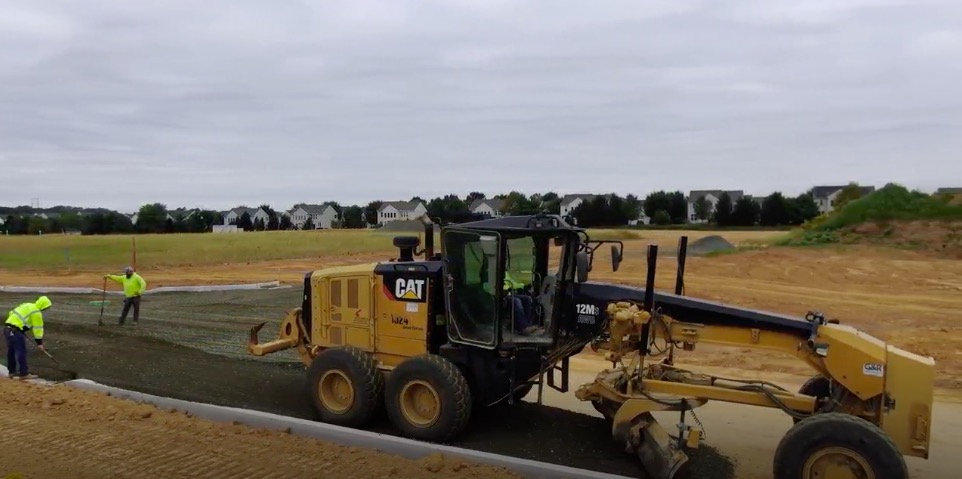
What Is Construction Grading? Reshaping and Leveling the Ground
Quick answer: Construction grading is the process of cutting, filling, shaping and leveling the ground to prepare a site for construction.. It establishes the elevations, slopes, and drainage patterns needed to support roads, utilities, building pads, parking areas, stormwater systems, and other site improvements. Done correctly, grading prevents water damage, soil erosion, and ultimately creates stable conditions for the work that follows.
The ground beneath a construction site does more work than most people realize. Before crews install utilities, build roads or pour concrete pads, the earth itself must be carefully prepared, shaped, and stabilized. Skip this step, and the site could experience poor drainage, erosion, settlement or unstable subgrade over time.
Construction grading is the solution. By cutting, filling, leveling and reshaping the ground before construction begins, grading teams establish the elevations and slopes specified in the site plans and prepare the site for the next phases of civil construction.
What Is Construction Grading?
Construction grading is the process of shaping and leveling the ground to create a stable, properly sloped surface for roads, driveways, buildings, utilities and other site improvements. The process of shaping and moving earth ensures proper water drainage, prevents soil erosion, and establishes safe slopes and elevations suited to the project’s design.
Without proper grading, rainwater can pool across the site or around structures, soil can erode unevenly, and ground movement can cause cracking or settling over time. Quality grading work reduces these risks before they become expensive problems.
The Step-by-Step Grading Process
1. How Is a Grading Site Assessed?
The process starts with a thorough site assessment. Grading crews evaluate soil type, existing slopes, site elevations, existing conditions and natural water flow paths to understand how the land behaves. Crews may also review project plans, survey data, and grading specifications to determine the required elevations and slopes. This information shapes every decision that follows.
2. What Happens During Clearing and Rough Grading?
Once the site is assessed, crews clear the area of trees, rocks, weeds, and old debris. From there, rough grading begins. High spots are cut down, and low spots are filled with soil to match thegrading plan, bringing the site close to its target elevations and contours. .
3. What Is Excavation and Fill in Grading?
Excavation and fill involve moving large amounts of earth to reach the correct grades and elevations. This stage is where the most significant reshaping takes place, often using heavy equipment to cut, fill, haul, place and spread material soil across the site efficiently.
4. Why Is Soil Compaction Important?
After moving the earth, crews compact the soil by rolling and pressing it firmly into place. This step is critical. Loose, uncompacted soil can settle and shift under heavy loads, leading to uneven settlement, cracking or other site challenges later on.
5. What Is Fine Grading and Final Inspection?
Fine grading is the finishing stage, where the surface is brought to the specified lines, grades, slopes, and elevations. A final inspection then verifies the grade, elevation and drainage requirements, confirming the site is ready for the next phase of construction.
Why Construction Grading Matters for Any Building Project
How Does Grading Control Water Drainage?
Proper grading directs rainwater and stormwater runoff toward designated drainage areas and away from structures or other site improvements. When water is allowed to pool or flow where it isnt intended it erodes soil, can weaken subgrades, damage pavement and can cause serious water damage over time. Grading solves this by establishing intentional slopes that manage runoff and direct water toward drainage systems, swales, or other designated discharge points. How Does Grading Prevent Cracking and Ground Shifting?
Ground that has not been properly graded and compacted is vulnerable to shifting under heavy loads. This movement creates cracks in surfaces, pavement and other finished surfaces and can compromise the structural integrity of roads, building pads, parking areas and other site improvements. Grading, particularly at the compaction stage, helps reduce this risk.
How Does Grading Improve Safety?
Construction grading creates a properly prepared base that reduces uneven surfaces and other potential hazards while supporting roads, sidewalks, parking areas and other site features.Work With Schlouch Incorporated on Your Next Grading Project Successful grading takes more than moving dirt. It takes careful planning, experienced crews, the right equipment, and an understanding of how each phase of sitework affects the work that follows.
Schlouch Incorporated brings decades of site construction experience to grading projects throughout Eastern Pennsylvania. From initial site preparation and earthwork to fine grading, our team works to keep projects moving safely and efficiently while meeting the elevations, slopes, and specifications called for in the plans.
Whether we’re preparing a site for roads, utilities, buildings, or other improvements, our goal is the same: do the job right and build a strong foundation for the next phase of construction.
Contact Schlouch Incorporated today to discuss your next grading or site construction project.
Frequently Asked Questions About Construction Grading
What is the purpose of construction grading?
Construction grading shapes the ground to achieve the elevations, slopes and contours specified in the plans. It ensures proper drainage, prevents soil erosion, and reduces the risk of future structural damage caused by ground shifting or water pooling.
What is the difference between rough grading and fine grading?
Rough grading involves cutting and filling soil to reach the approximate design elevation and establish the general shape of the site. Fine grading is the final step, where the surface is brought to the specified lines, grades, slopes, and elevations in preparation for paving, concrete, landscaping, or other site improvements. Why is soil compaction part of the grading process?
Compaction increases soil density and helps create a stable subgrade capable of supporting the intended loads. Without proper compaction, surfaces above the soil are more likely to settle, shift, or experience premature failure.
How does grading prevent water damage to foundations?
By establishing controlled slopes, grading directs storm water runoff toward designated draingage systems, swales, basins, and other stormwater management features. This reduces the risk of erosion, pooling, and moisture infiltration that can weaken a building over time.
How long does the grading process take?
The timeline depends on the size and complexity of the site, the amount of earth that needs to be moved, soil and weather conditions, project specifications, and coordination with other phases of site construction. A small residential project may take a few days, while larger commercial sites can take several weeks. A site assessment at the start helps establish a realistic schedule.