What Skills Does a Pipe Crew Excavator Operator Need on the Job?
March 31, 2026
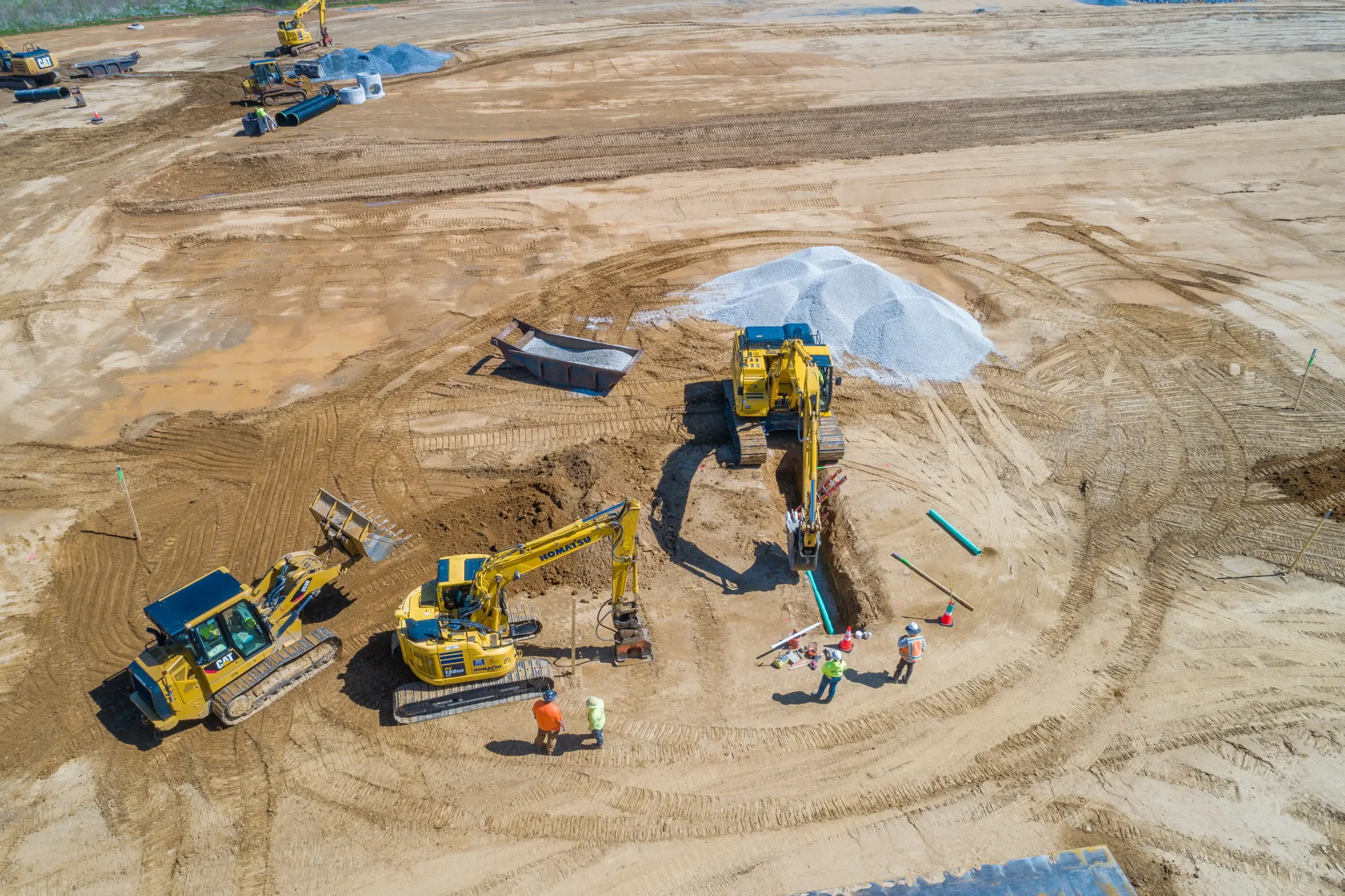
Installing underground utilities requires more than just operating heavy machinery. A pipe crew excavator operator plays a critical role in site preparation, ensuring that water mains, storm systems, and sewer lines are installed safely and efficiently. This position demands a unique combination of technical expertise, physical stamina, and a commitment to safety protocols.
If you’re considering a career as a pipe crew excavator operator or looking to advance in this field at Schlouch Incorporated, understanding the core competencies required can help you determine if you’re ready for the challenge. From precision digging to OSHA compliance, these professionals must master a diverse skill set to succeed on the job site.
Core Excavator Operator Skills
The foundation of any successful pipe crew excavator operator lies in their ability to handle heavy equipment with precision and care. These core excavator operator skills separate competent operators from exceptional ones.
1. Precision Digging and Trenching
Excavating for pipe installation requires surgical precision. Operators must dig trenches to exact specifications, maintaining proper depth and width while avoiding damage to existing underground utilities. Even a few inches off can compromise the entire installation or result in costly repairs.
Skilled operators understand how to read grade stakes, follow engineered plans, and adjust their technique based on soil conditions. They can work in tight spaces and navigate around obstacles without sacrificing accuracy.
2. Load Handling and Material Placement
Moving materials efficiently keeps projects on schedule. Pipe crew excavator operators must know how to lift, swing, and place heavy pipe sections without damaging them or endangering crew members. This requires smooth control of the excavator’s boom, stick, and bucket functions.
Operators also need to manage excavated soil properly, placing it where it won’t interfere with work activities and can be easily accessed for backfilling. Strategic material placement minimizes double-handling and improves overall site productivity.
3. Equipment Maintenance and Care
Heavy equipment represents a significant investment, and operators share responsibility for keeping machines in working condition. Daily pre-operational inspections help identify potential problems before they cause breakdowns. Operators should check hydraulic fluid levels, inspect tracks or tires, and ensure all safety features function correctly.
Recognizing unusual sounds, vibrations, or performance issues allows operators to report problems promptly. This proactive approach prevents minor issues from becoming major repairs and keeps projects moving forward.
Specialized Knowledge for Pipe Installation
Beyond general excavator operation, working on a pipe crew demands a specialized understanding of underground utility systems and installation processes.
4. Understanding Pipe Materials and Methods
Different pipe materials require different handling techniques. PVC, ductile iron, concrete, and HDPE pipes each have unique characteristics that affect how they’re installed. A knowledgeable pipe crew excavator operator understands these differences and adjusts their approach accordingly.
For water main installation, operators must ensure proper bedding material supports the pipe and that joints are protected during backfilling. Storm system work often involves larger diameter pipes and more complex configurations with catch basins and manholes. Sewer installation requires precise grading to maintain proper flow rates.
5. Reading Plans and Grade Requirements
Underground utility installation follows detailed engineering plans that specify pipe locations, depths, slopes, and connections. Operators must interpret these plans accurately and translate them into physical work on the ground. Understanding grade requirements is particularly crucial for gravity-fed systems like sewers and storm drains, where even slight variations can affect performance.
Experienced operators can identify potential conflicts between plans and field conditions, bringing issues to the foreman’s attention before they become problems. This problem-solving ability keeps projects on track and prevents costly rework.
Safety and Compliance Standards
Construction sites present inherent hazards, and excavation work carries additional risks that require constant vigilance and adherence to safety protocols.
6. OSHA Regulations and Best Practices
The Occupational Safety and Health Administration (OSHA) establishes minimum safety standards for excavation and trenching operations. Pipe crew excavator operators must be familiar with these regulations, particularly those addressing protective systems, access and egress, and hazardous atmospheres.
OSHA requires protective systems for trenches deeper than five feet, with some exceptions for trenches in stable rock. Operators need to understand when shoring, shielding, or sloping is required and ensure these protections are in place before entering trenches.
7. Trench Safety Protocols
Trenches can collapse without warning, making trench safety one of the most critical aspects of pipe crew work. Competent persons must inspect trenches daily and after any event that could affect stability, such as heavy rain or nearby vibrations.
Operators contribute to trench safety by:
- Keeping heavy equipment at least two feet from trench edges
- Never swing loads over workers in trenches
- Watching for signs of instability, like cracks or sloughing soil
- Ensuring spoil piles are placed at least two feet from trench edges
- Maintaining clear communication with ground personnel
Understanding and following these protocols protects everyone on the job site and demonstrates professional competence.
Build Your Career with Schlouch Incorporated
Schlouch Incorporated has been Eastern Pennsylvania’s leading commercial, public, and residential site preparation specialist since 1983. With over 260 employees and 125 pieces of heavy equipment, we’ve built our reputation on quality work and professional crews.
We’re currently seeking experienced pipe crew excavator operators to join our team. If you have three or more years of experience operating excavators on pipe crews, knowledge of water main, storm, and sewer installation, and familiarity with OSHA and trench safety requirements, we want to hear from you.
Our projects span a 75-mile radius of Reading, PA, offering variety and opportunities to work on diverse sites. We value operators who take pride in their work, maintain reliable attendance, and contribute positively to our team culture.
Ready to advance your career? Apply today for open pipe crew excavator operator positions at Schlouch Incorporated and join a company that’s been growing for over 40 years.