What Is a Utility Operator?
January 16, 2026
What We’re Looking For In a Utility Operator
Every time you turn on a faucet, switch on a light, or flush a toilet, you are relying on an intricate network of underground systems. But who builds this infrastructure? Who ensures that water, sewer, gas, and electric lines are installed safely and precisely?
The answer is a utility operator.
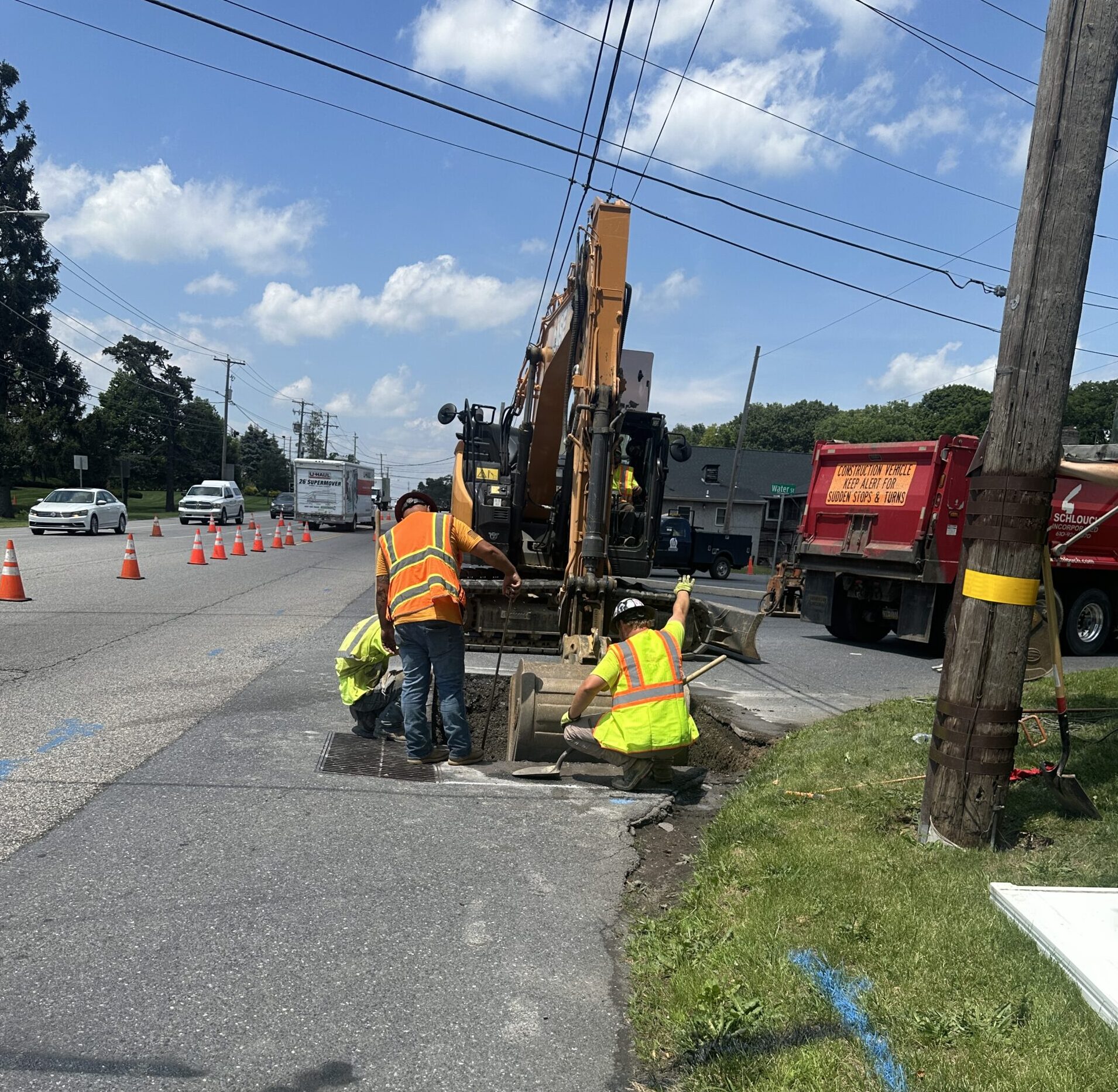
A utility operator is a skilled professional who combines the operation of heavy equipment with technical knowledge on job sites to help our project teams deliver quality infrastructure projects that communities rely on daily. At Schlouch Incorporated, these operators are the backbone of our site work and heavy civil construction projects.
If you are curious about what this role entails — or if you are looking for a career that combines precision, power, and problem-solving — here is everything you need to know about what it means to be a utility operator from Schlouch Incorporated.
Core Responsibilities of the Role
The day-to-day life of a utility operator is dynamic, yet grounded in a few core pillars of responsibility. It isn’t just about moving dirt; it’s about precision and reliability.
1. Reliability and Professionalism
Success starts before the engine turns over. A professional utility operator arrives early,, prepared, and properly equipped for the day’s tasks. They participate actively in daily job safety analysis meetings and maintain constant communication with site supervisors to ensure the day’s goals are met efficiently. In many cases, operators are trusted to transition between different machines throughout the day, responding to changing job-site needs without slowing production.
2. Safety First
Safety is central to the role. Because utility operators work around high-stakes infrastructure, they must constantly identify job-site hazards. This includes following strict procedures for confined spaces, managing traffic safety, and working carefully around existing underground and overhead utilities. Adhering to incident reporting rules isn’t optional — it’s essential for keeping the whole crew safe. Operating multiple types of equipment safely requires heightened awareness, strong situational judgment, and a deep understanding of each machine’s limitations and capabilities.
3. Building the Future
A utility operator is more than just a machine driver; they are the architects of the underground world. They ensure our homes have heat, our businesses have power, and our water stays clean. It is a career path with tangible results — at the end of the day, you can look back and see exactly what you achieved.
Whether you are an experienced hand or looking to enter the heavy civil construction field, understanding the depth of this role is the first step toward a successful career.
4. Regulations and Documentation
At the core of Schlouch’s safety foundation, they begin with the hierarchy of controls to eliminate or reduce daily hazards. The utility operators must also follow OSHA guidelines and other safety regulations that supports the safety program. Beyond safety, there is the administrative side: completing daily logs and timesheets, tracking materials used, and understanding basic job documentation.
5. Teamwork and Communication
No one builds a project alone. Operators work closely with forepersons, mechanics, and other crew members. They are problem solvers who help the team overcome obstacles and are willing to take on additional tasks to move the project forward. Effective communication ensures that everyone knows current activity on site and how to install quality work.
Skills and Qualifications
This role requires a blend of hands-on skills technical understanding and adaptability.
Multi-Equipment Operation and Precision
This is where the skill truly shines. Utility operators are often expected to operate multiple pieces of equipment, such as excavators, loaders, backhoes, skid steers, compactors, and support equipment, sometimes within the same day
Equipment Operation and Precision
This is where the skill shines. Operators use heavy machinery, GPS systems, lasers, and hand tools to dig trenches, install utilities, grade stone sub-base or respread topsoil. This isn’t rough work; it requires incredible accuracy, often working within tight tolerances to ensure quality workmanship.
Equipment Care and Maintenance
A good operator takes pride in their machine. They inspect, clean, and maintain their equipment daily. This involves performing minor repairs, logging equipment use, and reporting issues immediately to mechanics to prevent breakdowns or accidents.
Construction and Utility Knowledge
You have to know what you are building. Utility operators read blueprints and understand the specific requirements for excavation, safe trenching and backfilling or other earthwork activities. They must handle materials safely and follow rigorous quality control standards to ensure the installation lasts for decades.
Ready to Dig In?
The role of a utility operator is challenging, essential, and rewarding. It requires a commitment to safety, a steady hand, and a sharp mind.
If you have the skills and the drive to build the infrastructure that powers our communities, Schlouch Incorporated wants to hear from you. We are currently hiring utility operator professionals who are ready to work with the best equipment and the best team in the business.
Apply Now to Schlouch Incorporated.