
What Materials Would a Grader Operator Use in Construction?
March 06, 2026
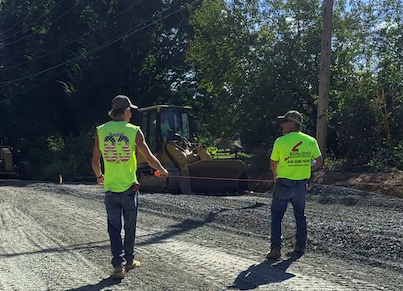
What Materials Does a Grader Operator Use in Construction?
When you look at a heavy civil construction site, the motor grader stands out as a machine of precision. Unlike bulldozers that push massive piles of earth, or excavators that dig deep trenches, the grader is the finishing tool. It is the machine responsible for the final touch that ensures a road is smooth, a building pad is level, and drainage flows exactly where it should.
But what exactly is the person in the cab moving? A grader operator interacts with a wide variety of materials, ranging from natural earth to processed aggregates. Understanding these materials is just as important as knowing how to manipulate the hydraulic controls, especially if you’re a grader operator at Schlouch Incorporated.
Essential Materials Managed on the Job
The primary role of a grading operator in civil construction is to shape and fine-tune the subgrade to meet engineered elevations, slopes, and drainage requirements, so the site is properly prepared for utilities, paving, and structural work. To do this, they must manipulate several different types of soil and aggregate.
- Soil and Dirt
The most common material a grader encounters is soil. Operators are responsible for shaping, spreading, and leveling sub-grade for roads, parking lots, or building pads. This isn’t just about flattening a pile of dirt; it involves understanding soil compaction and moisture to create a stable foundation for whatever comes next.
- Aggregate Base Materials (Gravel and Stone)
In civil construction site work, aggregate materials such as gravel and crushed stone are critical for building stable roadways, parking areas, and structural pads. A skilled grading operator spreads and fine-grades these materials to establish a uniform, properly compacted base. Just as importantly, the operator maintains the specified cross slope or crown to ensure positive drainage, preventing water from ponding and protecting the integrity of the finished surface.
- Asphalt
Prior to asphalt placement, the grading operator performs final fine grading to trim and shape the subgrade and aggregate sub-base in accordance with project specifications. This ensures the surface meets required elevations, slopes, and tolerances, providing a uniform and stable platform for the paving crew. Does not apply here.
Tools of the Trade
To manage heavy materials and achieve precise grading tolerances, the motor grader operator relies on several key machine components:
The Moldboard (Blade):
The heart of the machine, the curved moldboard is used to cut, windrow, spread, and shape soil or aggregate. Operators adjust its pitch, angle, side shift, and circle rotation to achieve proper elevation, drainage slope, and finish grade.
Scarifiers (and Rippers):
Front-mounted scarifiers are used to loosen compacted soil, hard clay, or old asphalt before fine grading. Some graders also include rear rippers for heavier breaking applications.
Machine Control Systems:
Modern graders often use GPS, robotic total station, or AccuGrade grade control technology systems to maintain precise elevation and cross-slope without relying solely on grade stakes. These systems allow operators to meet the tight tolerances required in civil site construction.
Grade Stakes:
Though advanced machine control is common, grade stakes are still used for reference, verification, and smaller projects where GPS is not utilized.
Defining Grader Operator Responsibilities
The role requires a high degree of technical skill and precision. Grader operator responsibilities go far beyond simply operating the equipment. Operators must manage traction and machine stability by using front wheel lean and frame articulation, allowing them to work safely and effectively on slopes and uneven terrain.
They must also demonstrate precise control of the machine’s hydraulic systems. A skilled operator constantly adjusts the blade’s angle, pitch, and position — often making micro-adjustments to remove fractions of an inch of material. This attention to detail ensures that the final grade meets the strict tolerances required for safe, stable, and long-lasting civil construction projects.
Master the Machine with Schlouch
It takes a steady hand and years of experience to master the interaction between the moldboard and the materials beneath it. From shaping subgrade and spreading aggregate base, the grader operator plays a vital role in ensuring the work meets project specifications and quality standards. dirt and stone materials and ensuring the work is done meeting quality specifications, the grader operator is essential to the success of any site preparation project.
It takes a steady hand and years of experience to master the interaction between the moldboard and the material beneath it. From shaping subgrade and spreading aggregate base to fine-grading topsoil, the grader operator plays a vital role in ensuring the work meets project specifications and quality standards. Their ability to control material precisely — whether handling heavy stone or finishing fine surfaces — is essential to the success of any civil site preparation project.
Are you a skilled operator looking for a company that values precision and safety? Schlouch Incorporated is looking for experienced professionals to join our team.
Apply for a Grader Operator Position at Schlouch Incorporated today.